Built on One Pair of Hands: Rethinking Key Person Risk in the British SME

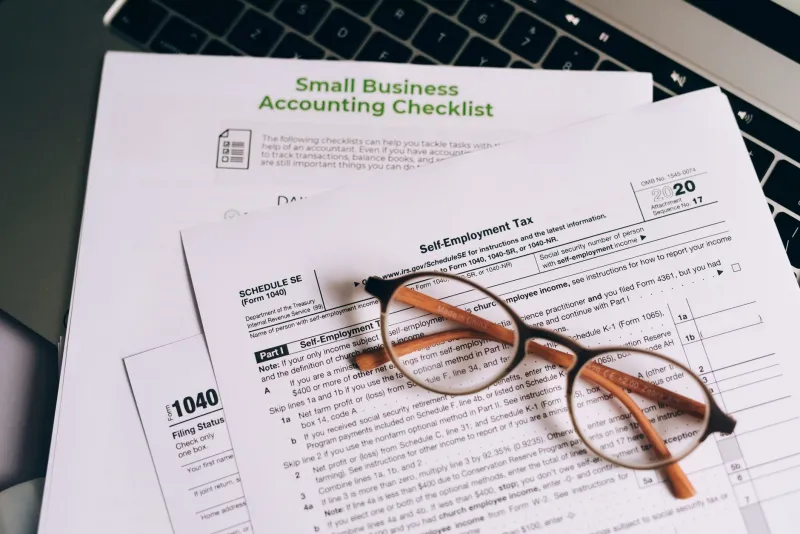
Photo by Photo by Razlan Hanafiah on Unsplash on Unsplash
Ask the owner of a thriving UK SME what would happen if they were hit by a bus tomorrow and you will usually get one of two responses: a laugh, and a glance towards a key person insurance policy. Both responses share the same underlying belief — that the risk has been dealt with. In most cases, it has not even been properly described.
What the Policy Actually Covers
Key person insurance pays a sum of money if a named individual dies or, in some arrangements, becomes critically ill. That is the entirety of the promise. It does not retain the client who only ever dealt with the founder. It does not reconstruct the pricing judgement built over twenty years. It does not answer the question every buyer, lender and major customer silently asks: is this business, or is this person?
The insurance industry is not at fault here; the product does what it says. The failure lies in the substitution. Cover is treated as the answer to a question it was never designed to address — how the enterprise survives the departure of the individual who defines it. A payout funds a recruitment search; it does not supply the successor, the relationships or the institutional memory.
The Honest Test of Exposure
A more useful exercise than buying cover is a simple, uncomfortable audit. Take the founder — or any individual the business cannot imagine losing — and ask four questions:
1. Which customers would leave? Not which customers might wobble, but which would genuinely move. If the honest answer is a majority of top-tier accounts, the business has a concentration problem wearing a personality.
2. Which knowledge exists nowhere else? Supplier terms, unwritten processes, the reason a particular product is priced the way it is. Knowledge that lives in one head is an asset the company does not own.
3. Who could step in, and when? A named successor with a realistic readiness timeline is worth more than any policy. "We'd manage" is not succession planning; it is hope with a budget line.
4. What would the business be worth the day after departure? This is the question a buyer asks, and the gap between that figure and the owner's valuation is the true measure of key person exposure.
From Insurance to Succession
Genuine mitigation is unglamorous. It involves deliberately transferring client relationships to a second contact — and measuring whether those clients actually engage with the new person. It means documenting the decisions that matter, not as bureaucracy but as an exit strategy in slow motion. It requires identifying, developing and retaining a credible successor, and accepting that this may take years and cost money that feels like overhead.
Insurance retains its place, but as a bridge, not a structure. Cover buys time; only preparation converts time into continuity.
A Valuation Issue in Disguise
Advisers who value SMEs see the pattern constantly: businesses that command a premium on paper and a discount in practice, because the buyer's diligence concludes that the enterprise and its founder are the same thing. The discount is not a technical adjustment — it is the market pricing the risk the owner never confronted.
Key person risk is, ultimately, a question about what the business actually is. Answering it honestly is uncomfortable. But the alternative is discovering the answer at the moment of sale, or worse, at the moment of crisis — when the bus has already been hit and the policy, however generous, is paying for a funeral rather than a future.